

Satoyama Mace Initiative Issues Global Invitation to Indigenous Communities to Lead Nature-Based Carbon Partnerships

Fostering balance between humans and nature through AI-assisted Satoyama Initiative climate solutions.

Futuristic laboratory setup where microalgae produce hydrogen, offering potential sustainable carbon credit income for Indigenous communities
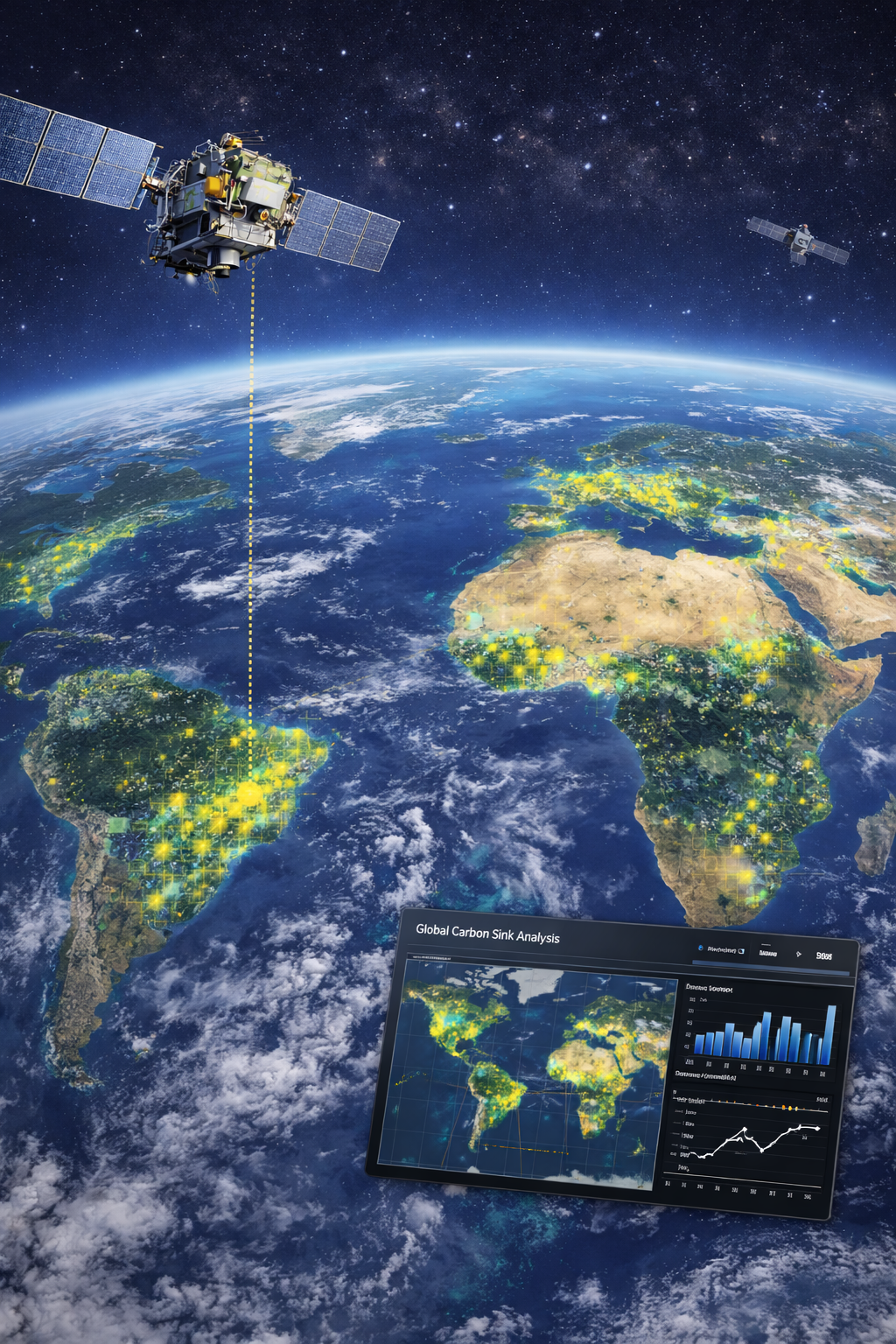
A satellite view of Earth illustrates the global distribution of carbon sinks across forests, wetlands, oceans and agricultural landscapes, highlighting the role of space-based monitoring in climate governance.
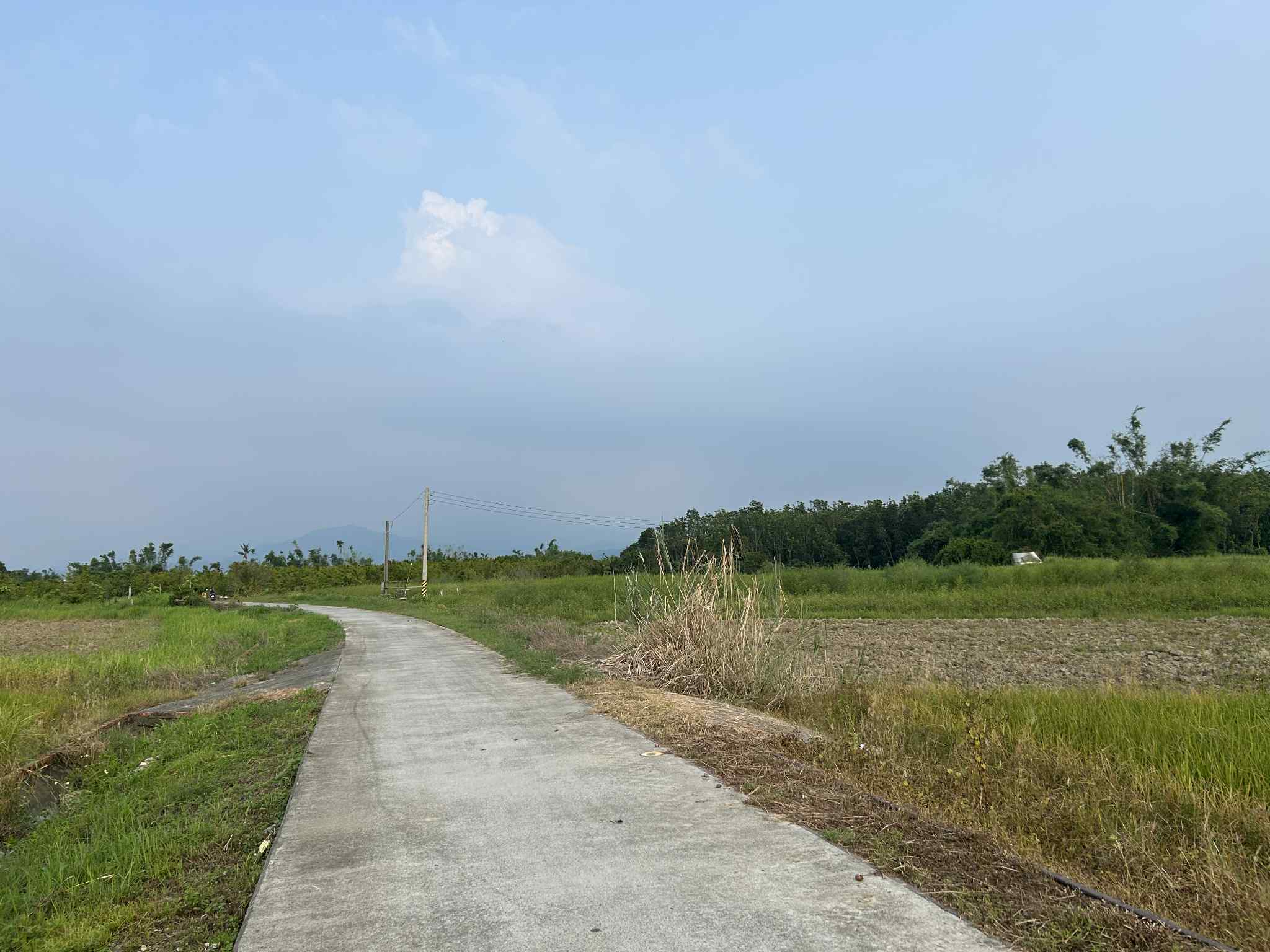
Indigenous and local farmers in Asia, Africa, and Latin America benefit from biodiversity-based carbon credits through the Satoyama Mace Initiative.
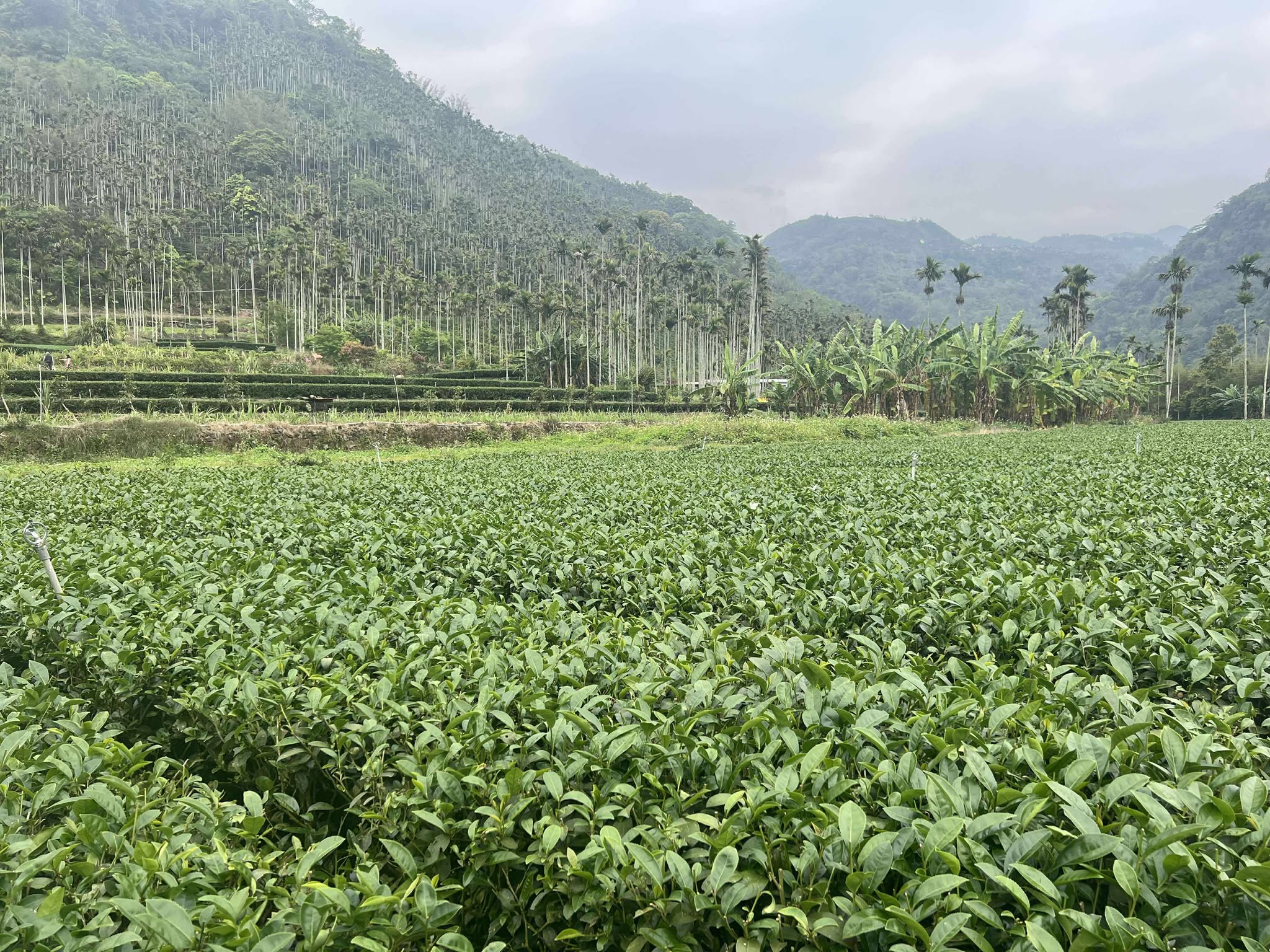
"Asian traditional rural landscapes leverage the Satoyama Initiative to generate carbon credits and foster sustainable economies through global environmental action." This image illustrates how community-based stewardship in traditional rural landscapes c
Empowering Indigenous communities to lead nature-based carbon projects through rights-based partnerships, international market access, and deferred-cost support
TAIWAN, April 1, 2026 /EINPresswire.com/ -- The Satoyama Mace Initiative (SMI) today announced a global invitation to Indigenous Peoples and Local Communities (IPLCs) to join a dedicated partnership designed to transform traditional land stewardship into sustainable financial flows through international carbon markets.
Unlike traditional top-down conservation models, the SMI Global Indigenous Partnership places Indigenous communities at the center of the value chain. The initiative recognizes Indigenous peoples not merely as beneficiaries, but as the primary architects of resilient landscapes, ensuring that climate finance strengthens—rather than replaces—traditional governance.
Stewardship Meets Sustainable Finance
For generations, Indigenous peoples have served as the most effective guardians of Earth’s biodiversity. SMI’s new framework provides the technical and financial bridge to link this stewardship with global climate goals.
"Carbon revenue should be a tool to empower Indigenous sovereignty, not a mechanism to diminish it," said Prof. Yen-Hsun Su. "Our goal is to integrate Traditional Ecological Knowledge (TEK) with cutting-edge scientific methodologies to create a model that is socially just and ecologically sustainable."
A Rights-Based Framework
To ensure transparency and protect community rights, the initiative operates on several core principles:
International Legitimacy: Partnerships are only explored when supported by relevant United Nations organizations and local government authorities.
Absolute Governance: All participation is grounded in the principle of Free, Prior and Informed Consent (FPIC). Communities remain the primary decision-makers over their traditional lands.
Equitable Market Access: SMI provides a direct bridge to international trading platforms, including AirCarbon Exchange (ACX) and Climate Impact X (CIX), ensuring revenues flow back to the community.
Removing Financial Barriers
Recognizing that upfront costs often prevent Indigenous participation in climate programs, SMI has introduced a Deferred Cost Model. Key expenses—including carbon credit issuance fees and high-tech MRV services (satellite monitoring and AI assessments)—can be deferred until the community receives its first cycle of carbon revenue.
Who Can Participate
SMI is seeking dialogue with Indigenous communities managing vital landscapes, including:
Forests and Mangroves
Wetlands and Grasslands
Traditional Agricultural Systems
Interested communities must have a governance structure capable of collective decision-making.
How to Begin Dialogue
The Satoyama Mace Initiative invites eligible communities to submit an Indigenous Partnership Application Form, which includes a brief background of the community, landscape descriptions, and current governance structures. Following submission, the SMI team will initiate a dialogue alongside recommended UN and government partners. (Read more: https://ipsi.mse.ncku.edu.tw/global-indigenous-carbon-partnership-pro)
About the Satoyama Mace Initiative (SMI)
The Satoyama Mace Initiative (SMI) is an operational platform dedicated to developing nature-based carbon projects in Socio-Ecological Production Landscapes and Seascapes (SEPLS). By deploying AI-driven monitoring and providing expert market access, SMI ensures that the world’s ecological guardians have the resources they need to protect biodiversity and build climate resilience for the future. (Read more: https://ipsi.mse.ncku.edu.tw/)
Yen-Hsun Su
SEPLS Carbon Credit Regional Revitalization Center
email us here
Legal Disclaimer:
EIN Presswire provides this news content "as is" without warranty of any kind. We do not accept any responsibility or liability for the accuracy, content, images, videos, licenses, completeness, legality, or reliability of the information contained in this article. If you have any complaints or copyright issues related to this article, kindly contact the author above.
