The Role of Rotary Drum Dryers in Professional Biomass Pellet Production Line Service
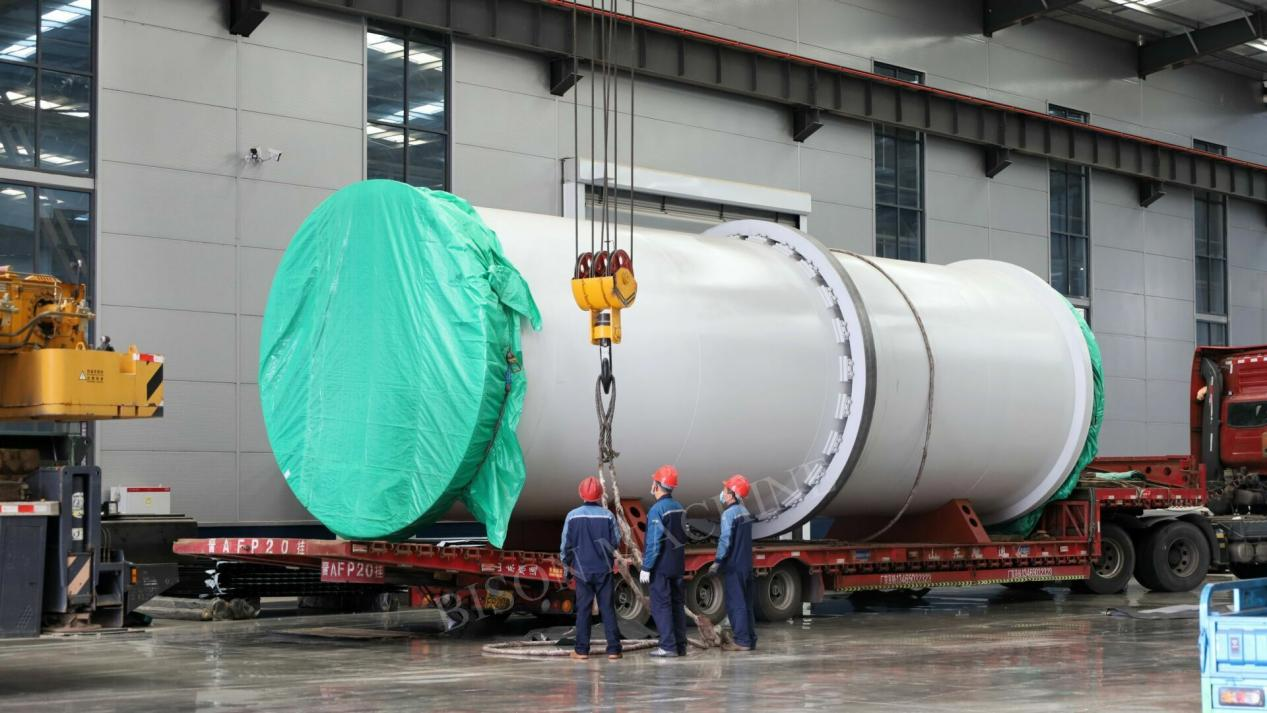
JINAN, SHANDONG, CHINA, March 4, 2026 /EINPresswire.com/ -- The transition from fossil fuels to renewable energy hinges on the ability to convert raw biological waste into a high-energy, stable fuel source. While many investors focus on the compression power of pellet mills, the actual success of a facility often rests on a more subtle variable: moisture control. Processing raw biomass, particularly tropical timber or agricultural residues, presents significant technical hurdles due to high natural water content. Achieving a consistent output requires a Professional Biomass Pellet Production Line Service that integrates thermal engineering with mechanical precision. Without a robust drying stage, even the most powerful pelletizers will face frequent blockages, low pellet density, and excessive energy consumption.
The Moisture Challenge in Biomass Processing
Raw biomass is notoriously hygroscopic and rarely arrives at a processing facility in a state ready for immediate pelletization. In regions with high humidity, such as Southeast Asia, wood logs and residues can possess moisture levels exceeding 40 percent or even 50 percent. This excess water acts as a structural lubricant that prevents the natural lignin in the wood from bonding during the high-pressure pelletizing process. If the moisture exceeds the optimal threshold, the resulting pellets will be soft, prone to breakage, and have a significantly lower calorific value.
To reach the high-energy standards required to replace coal, the feedstock must maintain a precise moisture range, typically between 10 percent and 15 percent. This requirement places the rotary drum dryer at the heart of the production sequence. It serves as the primary gateway for quality control, ensuring that every ton of material entering the pellet mill has the correct physical properties for dense forming. Effective drying does more than just prepare the material; it stabilizes the entire production environment by reducing the mechanical strain on downstream equipment.
Technical Depth: The Mechanics of Heat Exchange
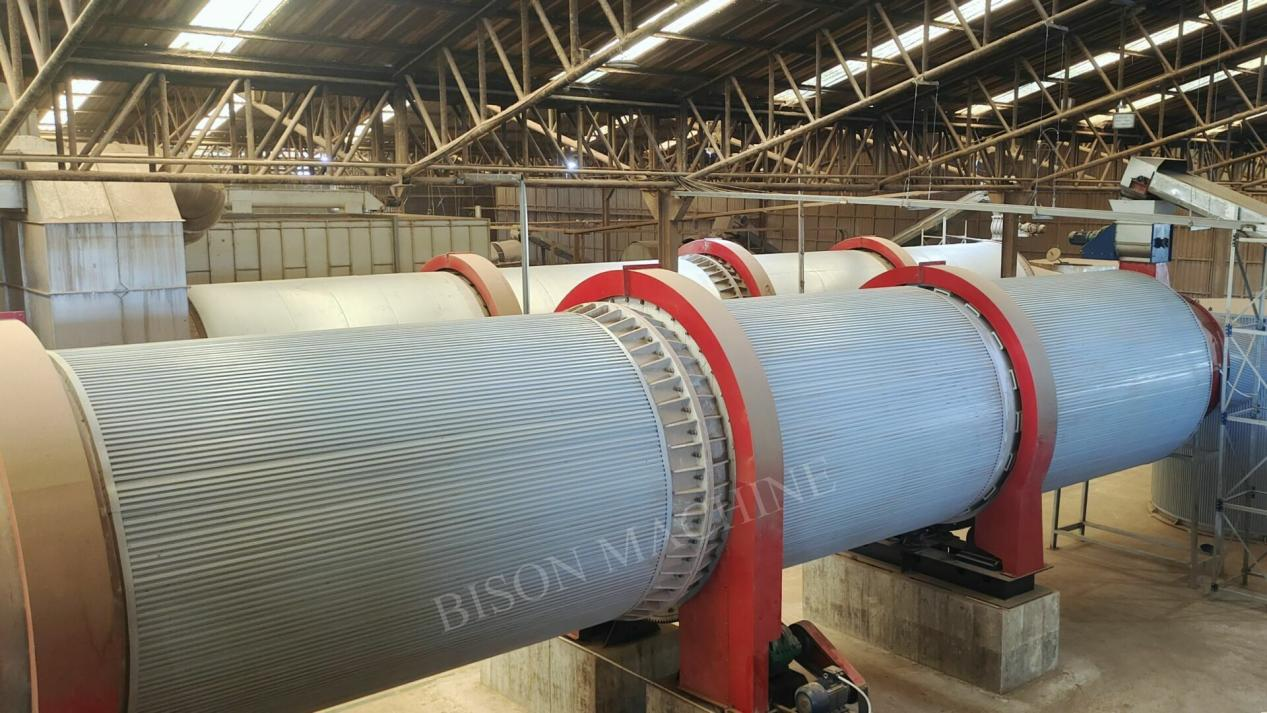
A professional rotary drum dryer operates on the principle of maximized heat exchange within a strictly controlled environment. Unlike complex multi-pass systems, modern high-efficiency units employ a single-pass drum design. This streamlined configuration is specifically engineered for the biomass sector, offering superior thermal efficiency and lower energy consumption by maintaining a consistent, high-velocity airflow that interacts directly with the material.
The core of this efficiency lies in the proprietary design of the internal lifting flights. These blades are strategically engineered to create a dense, uniform "curtain" of material as the drum rotates. By showering the biomass evenly through the hot gas stream, the system ensures:
·Uniform Heat Penetration: Heat reaches the core of every particle simultaneously.
·Prevention of Surface Hardening: It eliminates the risk of "case hardening," where the exterior of a wood chip dries into a moisture-trapping shell while the interior remains damp.
To ensure operational stability and peak performance, the dryer’s rotation speed, airflow volume, and thermal gradients are precisely calibrated and customized during the engineering phase. These parameters are configured according to the specific physical characteristics of the customer’s feedstock—whether sawdust, straw, or wood chips—ensuring consistent output moisture content and reliable process performance.
Innovative Drying Structure and Flexible Heat Integration
To achieve professional-grade moisture control, BISON’s rotary drum dryer utilizes a specialized lifting structure tailored to biomass materials. As the drum rotates, high-strength internal flights shower the material through the hot air stream, ensuring uniform dispersion and preventing surface hardening. This design is engineered for maximum heat source flexibility, allowing the dryer to integrate seamlessly with various thermal solutions, such as hot air furnaces or chain grate boilers, depending on the client’s available fuel.
For enhanced operational security, the system is equipped with real-time temperature displays and safety protection devices, ensuring that the drying process remains within optimal thermal boundaries. This precision is synchronized with the biomass hammer mill and downstream pellet machine, creating a stable production flow. By adapting the drum configuration to the specific characteristics of the raw material—whether it be sawdust, rice husks, or wood chips—BISON ensures that the feedstock enters the compression stage at the perfect moisture level for high-density pellet formation.
Operational Reality: Success in Tropical Climates
Real-world applications demonstrate the necessity of precision drying in challenging environments. A notable project in Thailand, involving a 10 TPH wood pellet production line, illustrates this perfectly. Processing tropical wood waste in a high-humidity climate requires our single-pass dryer to remove massive moisture through pre-set engineered parameters. By utilizing proprietary lifting flights, the Thai facility ensures uniform drying, maintaining peak production for its 850-series pellet mills without the need for manual operational adjustments.
This project highlights how customized engineering solves the problem of "wet-wood" processing. By ensuring the feedstock enters the pelletizers at a steady 10-15 percent moisture, the plant avoids the steam explosions and die-clogging issues that often plague less sophisticated operations. This consistency is vital for meeting the export requirements of international markets, where pellet durability and energy density are strictly regulated.
Investment Guide: Analyzing Long-Term Costs
When evaluating the budget for a biomass plant, investors must look beyond the initial purchase price of equipment. The drying stage is one of the most energy-intensive parts of the process, and its efficiency directly impacts the cost per ton of the finished pellets. High-quality rotary dryers, although representing a significant initial investment, provide a much higher return on investment (ROI) through lower energy consumption and reduced maintenance costs.
Efficient drying reduces the wear on the pellet mill's ring dies and rollers. When the material is too wet or inconsistent, the pellet mill must work harder, leading to higher electricity bills and more frequent part replacements. By investing in a professional drying solution, an operator can significantly lower the total OPEX. Furthermore, since biomass pellets are a recyclable and cheaper alternative to coal, maintaining a high calorific value through proper drying allows producers to command a premium price in the energy market.
A Heritage of Engineering Excellence
The technical proficiency required to design these integrated systems comes from decades of specialized experience. Based in Jinan, Shandong, BISON MACHINE—formerly the Hualong Machine Factory—has spent over 25 years refining the science of dense forming and biomass energy. The organization integrates scientific research, development, and production to serve biomass energy, solid waste recycling, battery materials, and environmental engineering. By continuously updating equipment and adopting advanced technology, the company helps drive the success of users across Europe, Africa, the Americas, and Southeast Asia.
The transition from a machine manufacturer to a system integrator allows the company to provide a comprehensive service that addresses the entire production lifecycle. This expertise is particularly evident in the research and development of equipment tailored for agriculture and pasturage. Today, the focus remains on contributing to worldwide sustainable development by providing the foundational tools for carbon-neutral energy production.
Precision Control for Investment Security
The rotary drum dryer is far more than a simple heating vessel; it is a critical instrument for financial security in the biomass industry. By providing precise control over the physical characteristics of the raw material, it ensures that the production line remains profitable and stable. Whether handling tropical wood in Thailand or agricultural waste in Europe, the ability to manage moisture defines the success of the venture.
A professional approach to biomass engineering treats the production line as a singular, living organism. By integrating advanced wood chippers, high-efficiency hammer mills, high-efficiency rotary drum dryers, and high-performance pellet machines, operators can achieve the thermal efficiency necessary to compete with traditional fossil fuels. This structured process—moving from primary size reduction to precise moisture control and dense forming—ensures that every ton of raw waste is converted into a high-value energy commodity. As the global demand for sustainable energy grows, the role of professional one-stop solutions will only become more vital in securing the future of the biomass industry.
For more information on professional biomass systems and rotary drying technology, please visit the official website: https://www.bisonpelletmachine.com/.
The Moisture Challenge in Biomass Processing
Raw biomass is notoriously hygroscopic and rarely arrives at a processing facility in a state ready for immediate pelletization. In regions with high humidity, such as Southeast Asia, wood logs and residues can possess moisture levels exceeding 40 percent or even 50 percent. This excess water acts as a structural lubricant that prevents the natural lignin in the wood from bonding during the high-pressure pelletizing process. If the moisture exceeds the optimal threshold, the resulting pellets will be soft, prone to breakage, and have a significantly lower calorific value.
To reach the high-energy standards required to replace coal, the feedstock must maintain a precise moisture range, typically between 10 percent and 15 percent. This requirement places the rotary drum dryer at the heart of the production sequence. It serves as the primary gateway for quality control, ensuring that every ton of material entering the pellet mill has the correct physical properties for dense forming. Effective drying does more than just prepare the material; it stabilizes the entire production environment by reducing the mechanical strain on downstream equipment.
Technical Depth: The Mechanics of Heat Exchange
A professional rotary drum dryer operates on the principle of maximized heat exchange within a strictly controlled environment. Unlike complex multi-pass systems, modern high-efficiency units employ a single-pass drum design. This streamlined configuration is specifically engineered for the biomass sector, offering superior thermal efficiency and lower energy consumption by maintaining a consistent, high-velocity airflow that interacts directly with the material.
The core of this efficiency lies in the proprietary design of the internal lifting flights. These blades are strategically engineered to create a dense, uniform "curtain" of material as the drum rotates. By showering the biomass evenly through the hot gas stream, the system ensures:
·Uniform Heat Penetration: Heat reaches the core of every particle simultaneously.
·Prevention of Surface Hardening: It eliminates the risk of "case hardening," where the exterior of a wood chip dries into a moisture-trapping shell while the interior remains damp.
To ensure operational stability and peak performance, the dryer’s rotation speed, airflow volume, and thermal gradients are precisely calibrated and customized during the engineering phase. These parameters are configured according to the specific physical characteristics of the customer’s feedstock—whether sawdust, straw, or wood chips—ensuring consistent output moisture content and reliable process performance.
Innovative Drying Structure and Flexible Heat Integration
To achieve professional-grade moisture control, BISON’s rotary drum dryer utilizes a specialized lifting structure tailored to biomass materials. As the drum rotates, high-strength internal flights shower the material through the hot air stream, ensuring uniform dispersion and preventing surface hardening. This design is engineered for maximum heat source flexibility, allowing the dryer to integrate seamlessly with various thermal solutions, such as hot air furnaces or chain grate boilers, depending on the client’s available fuel.
For enhanced operational security, the system is equipped with real-time temperature displays and safety protection devices, ensuring that the drying process remains within optimal thermal boundaries. This precision is synchronized with the biomass hammer mill and downstream pellet machine, creating a stable production flow. By adapting the drum configuration to the specific characteristics of the raw material—whether it be sawdust, rice husks, or wood chips—BISON ensures that the feedstock enters the compression stage at the perfect moisture level for high-density pellet formation.
Operational Reality: Success in Tropical Climates
Real-world applications demonstrate the necessity of precision drying in challenging environments. A notable project in Thailand, involving a 10 TPH wood pellet production line, illustrates this perfectly. Processing tropical wood waste in a high-humidity climate requires our single-pass dryer to remove massive moisture through pre-set engineered parameters. By utilizing proprietary lifting flights, the Thai facility ensures uniform drying, maintaining peak production for its 850-series pellet mills without the need for manual operational adjustments.
This project highlights how customized engineering solves the problem of "wet-wood" processing. By ensuring the feedstock enters the pelletizers at a steady 10-15 percent moisture, the plant avoids the steam explosions and die-clogging issues that often plague less sophisticated operations. This consistency is vital for meeting the export requirements of international markets, where pellet durability and energy density are strictly regulated.
Investment Guide: Analyzing Long-Term Costs
When evaluating the budget for a biomass plant, investors must look beyond the initial purchase price of equipment. The drying stage is one of the most energy-intensive parts of the process, and its efficiency directly impacts the cost per ton of the finished pellets. High-quality rotary dryers, although representing a significant initial investment, provide a much higher return on investment (ROI) through lower energy consumption and reduced maintenance costs.
Efficient drying reduces the wear on the pellet mill's ring dies and rollers. When the material is too wet or inconsistent, the pellet mill must work harder, leading to higher electricity bills and more frequent part replacements. By investing in a professional drying solution, an operator can significantly lower the total OPEX. Furthermore, since biomass pellets are a recyclable and cheaper alternative to coal, maintaining a high calorific value through proper drying allows producers to command a premium price in the energy market.
A Heritage of Engineering Excellence
The technical proficiency required to design these integrated systems comes from decades of specialized experience. Based in Jinan, Shandong, BISON MACHINE—formerly the Hualong Machine Factory—has spent over 25 years refining the science of dense forming and biomass energy. The organization integrates scientific research, development, and production to serve biomass energy, solid waste recycling, battery materials, and environmental engineering. By continuously updating equipment and adopting advanced technology, the company helps drive the success of users across Europe, Africa, the Americas, and Southeast Asia.
The transition from a machine manufacturer to a system integrator allows the company to provide a comprehensive service that addresses the entire production lifecycle. This expertise is particularly evident in the research and development of equipment tailored for agriculture and pasturage. Today, the focus remains on contributing to worldwide sustainable development by providing the foundational tools for carbon-neutral energy production.
Precision Control for Investment Security
The rotary drum dryer is far more than a simple heating vessel; it is a critical instrument for financial security in the biomass industry. By providing precise control over the physical characteristics of the raw material, it ensures that the production line remains profitable and stable. Whether handling tropical wood in Thailand or agricultural waste in Europe, the ability to manage moisture defines the success of the venture.
A professional approach to biomass engineering treats the production line as a singular, living organism. By integrating advanced wood chippers, high-efficiency hammer mills, high-efficiency rotary drum dryers, and high-performance pellet machines, operators can achieve the thermal efficiency necessary to compete with traditional fossil fuels. This structured process—moving from primary size reduction to precise moisture control and dense forming—ensures that every ton of raw waste is converted into a high-value energy commodity. As the global demand for sustainable energy grows, the role of professional one-stop solutions will only become more vital in securing the future of the biomass industry.
For more information on professional biomass systems and rotary drying technology, please visit the official website: https://www.bisonpelletmachine.com/.
SHANDONG BISON MACHINE CO., LTD.
+ +86 18764198336
inquiry@sdbison.cn
Visit us on social media:
Instagram
YouTube
TikTok
Legal Disclaimer:
EIN Presswire provides this news content "as is" without warranty of any kind. We do not accept any responsibility or liability for the accuracy, content, images, videos, licenses, completeness, legality, or reliability of the information contained in this article. If you have any complaints or copyright issues related to this article, kindly contact the author above.

