

Luna Glamping Sees Outdoor Architecture Move Beyond Basic Camping
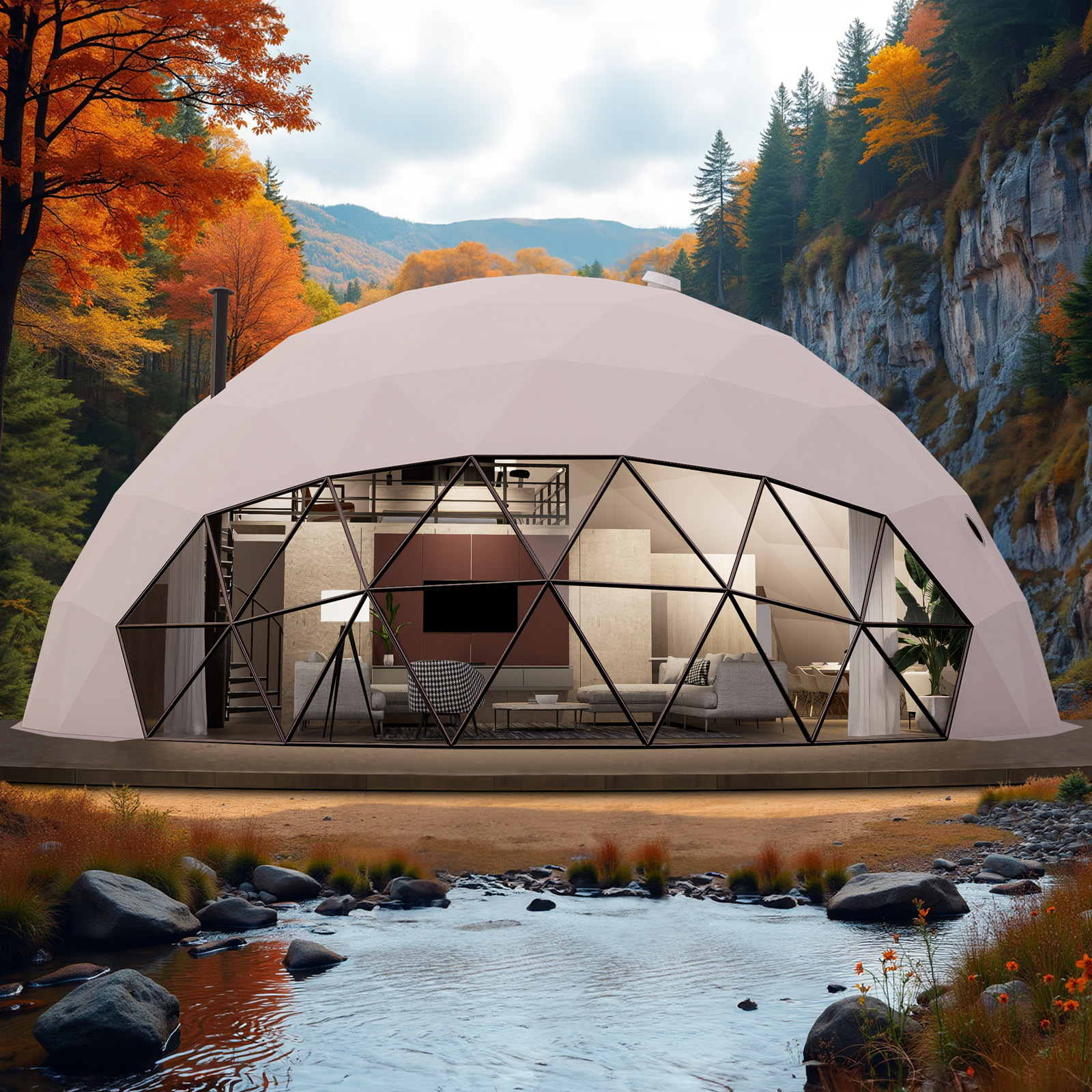
Geodesic Dome_
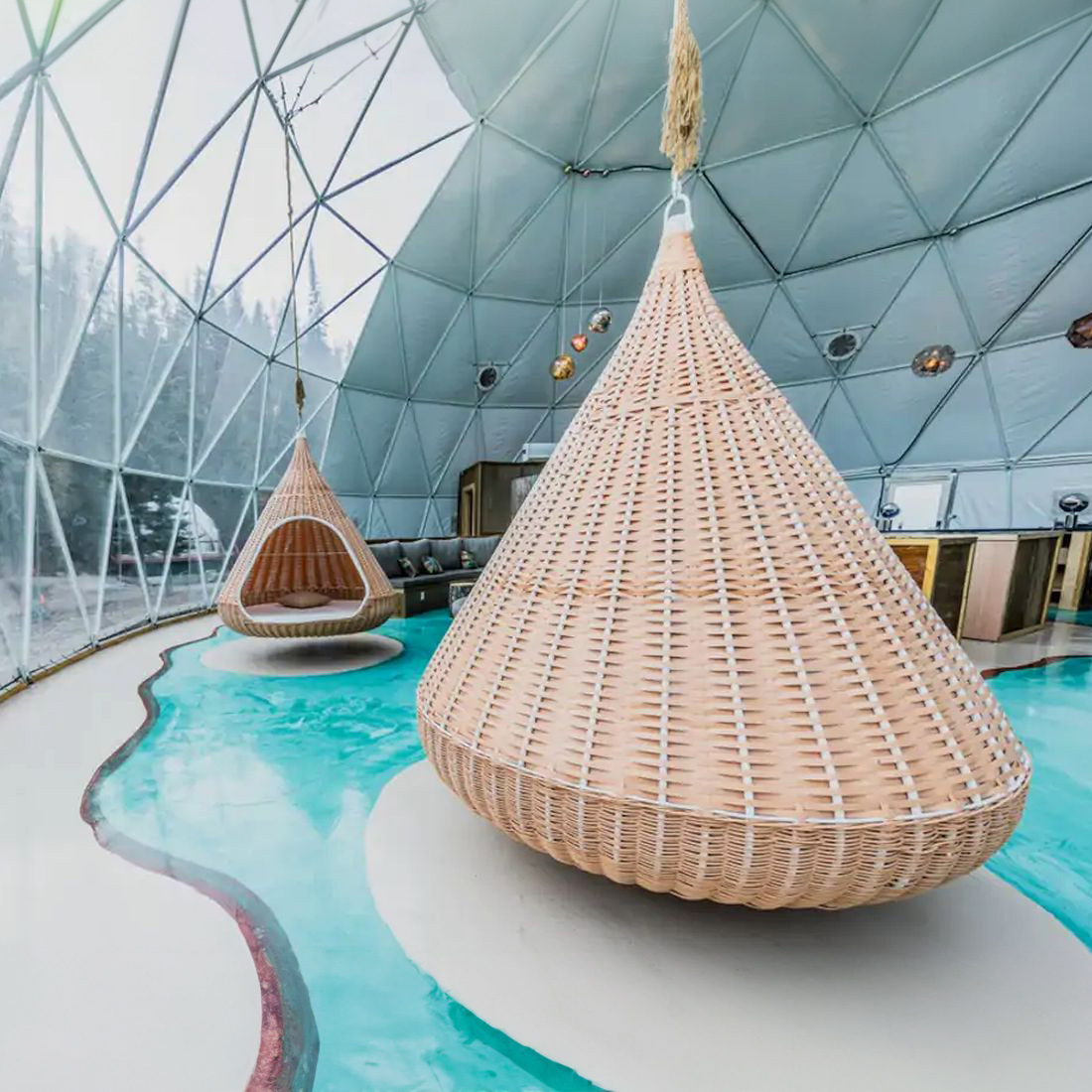
Stargazer Geodesic Dome_
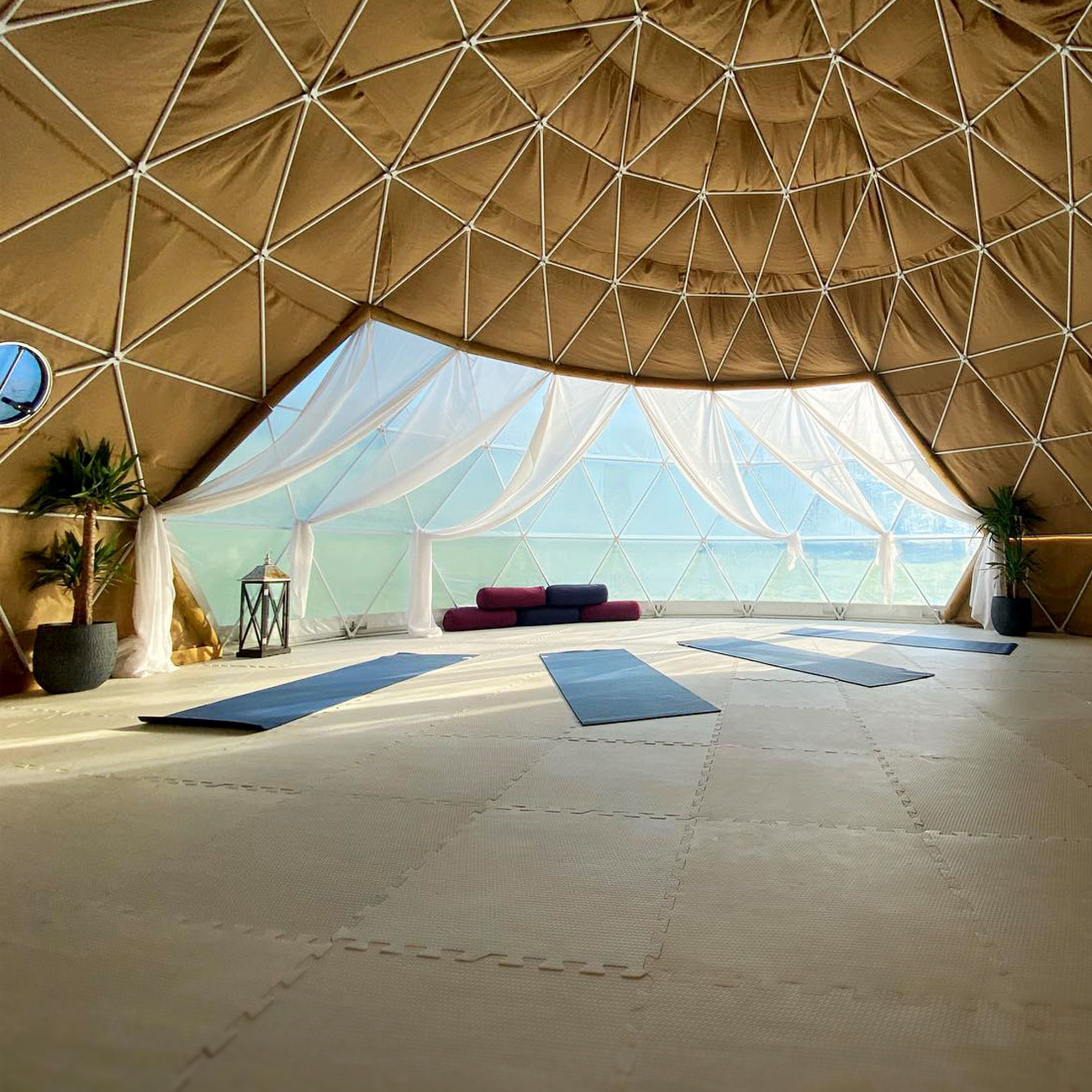
Dome_
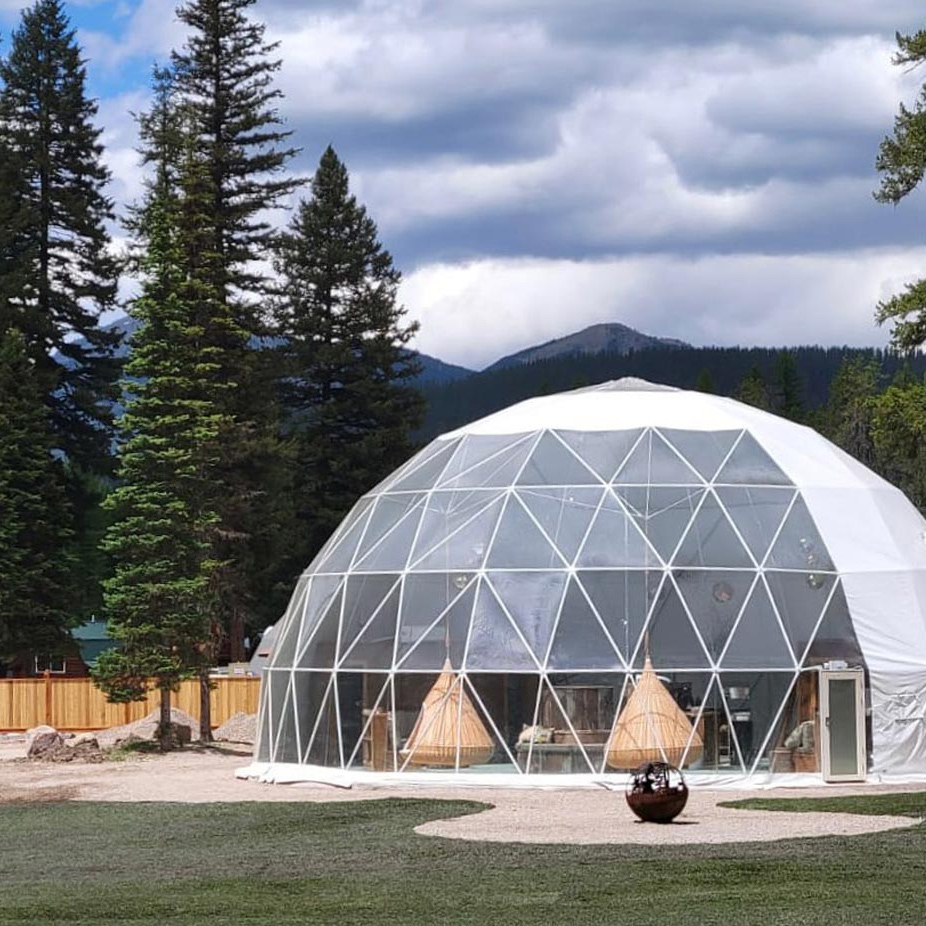
Geodesic Dome Design_
Luna Glamping highlights how outdoor architecture is evolving beyond basic camping, redefining luxury stays with innovative dome structures.
TORONTO, ONTARIO, CANADA, February 18, 2026 /EINPresswire.com/ -- Across Canada, outdoor accommodation and land-use development are undergoing a notable shift. Traditional camping models centered on tents and RV pads are increasingly giving way to experience-driven architectural structures such as stargazing domes, wellness pods, and multi-purpose modular buildings. This transition reflects changing expectations among landowners, developers, and planners who are exploring new ways to use outdoor spaces while responding to climate, zoning, and long-term operational considerations. Luna Glamping, a supplier of dome and tent structures, has observed this shift as part of a broader movement toward experiential architecture in natural and semi-rural environments.Outdoor Architecture Moves Beyond Shelter
For decades, camping infrastructure focused on basic shelter. Functionality took priority over form, and structures were designed mainly for temporary use. Recent development patterns indicate a move away from this approach. Outdoor structures are now expected to deliver a defined experience while maintaining durability and adaptability.
This evolution is not limited to hospitality. Landowners across Canada are adopting architectural forms that blend utility with design intent. Structures are being used as personal retreats, small business spaces, event venues, and wellness environments. The emphasis has shifted from minimal shelter toward spaces that support specific activities and long-term use.
Experiential Design Gains Momentum in Canada
Canada’s geography and climate play a significant role in shaping this trend. Wide-open landscapes, dark-sky regions, and seasonal weather extremes encourage architectural solutions that offer both protection and engagement with the environment.
Stargazing domes have gained traction in regions with limited light pollution, where clear roof panels and panoramic glazing enable uninterrupted views of the night sky. Wellness pods designed for yoga, meditation, or spa use are appearing in forested and mountainous areas, offering enclosed yet immersive spaces that operate year-round.
These structures are increasingly treated as architectural assets rather than temporary installations. Their form and layout are designed to shape how people interact with the surrounding landscape.
Architecture as a Functional Experience
The concept of architecture as an experience reflects a shift in how outdoor structures are planned and evaluated. Rather than serving a single function, these buildings are designed to support multiple uses while creating a distinct spatial atmosphere.
Domes and modular pods often feature open interiors, high ceilings, and natural light, allowing them to adapt to different purposes. A single structure may function as a wellness space during the day, a gathering area in the evening, and a seasonal accommodation unit when required.
This flexibility supports changing land-use needs without permanent alterations. For landowners, it offers the ability to respond to demand shifts over time.
Climate Adaptability Drives Structural Choices
Canada’s varied climate conditions influence the adoption of enclosed and insulated structures. Snow loads, wind exposure, and temperature fluctuations require building forms that can perform consistently across seasons.
Geodesic domes and engineered modular units are often selected for their structural efficiency and thermal performance. Their shapes distribute stress evenly, making them suitable for regions with heavy snowfall or high winds. Insulation packages and controlled ventilation further extend usability into colder months.
As a result, these structures are increasingly viewed as four-season assets rather than fair-weather solutions.
Planning and Zoning Considerations Shape Adoption
Regulatory frameworks play a critical role in the deployment of experiential architecture. Zoning classifications, building codes, and land-use designations vary across provinces and municipalities. Some jurisdictions categorize domes and pods as temporary structures, while others assess them under permanent building regulations.
This variability has encouraged landowners to seek adaptable building solutions that can align with local requirements. Modular structures offer advantages in this context, as they can often be installed with minimal foundations and adjusted to meet regulatory thresholds.
Early engagement with planning authorities remains essential, particularly for projects involving utilities or public access.
Wellness and Nature-Oriented Uses Expand
Wellness-focused architecture has emerged as a prominent application for experiential structures. Enclosed pods designed for yoga, massage, or quiet retreat provide controlled environments while maintaining visual and spatial connection to nature.
These uses extend beyond commercial settings. Private landowners are installing wellness pods on rural properties as personal spaces for rest and creative work. In some cases, these structures also support small-scale professional use, such as private instruction or seasonal programming.
The demand for calm, purpose-built spaces reflects broader societal interest in wellness and nature-based activities.
Small Business and Creative Applications Grow
Beyond accommodation and wellness, experiential architecture is being adopted by small businesses and creative operators. Domes and pods are used as art studios, tasting rooms, workshops, and pop-up venues.
Their open layouts and distinctive forms attract attention while remaining functional. For businesses operating in rural or semi-rural settings, these structures provide a way to establish a physical presence without committing to permanent construction.
This approach supports experimentation and phased growth, allowing operators to adjust use over time.
Modular Structures Support Incremental Development
A defining characteristic of this architectural shift is scalability. Modular domes and pods can be deployed individually or grouped into clusters. This allows landowners to expand gradually based on demand, budget, or regulatory approval.
Incremental development reduces upfront risk and enables testing of concepts before full-scale investment. In Canada’s diverse land markets, this flexibility is increasingly valued.
Projects can begin with a single structure and evolve into multi-unit sites serving mixed purposes.
Experiential Architecture Reflects Broader Design Trends
The move toward experience-focused outdoor architecture aligns with broader design trends emphasizing adaptability, sustainability, and user engagement. Rather than imposing rigid forms on landscapes, these structures aim to complement natural settings.
Their popularity suggests a redefinition of how outdoor spaces are used and valued.
Architecture is no longer limited to enclosing space but is seen as a tool for shaping interaction, mood, and function.
This perspective continues to influence planning decisions across Canada.
Long-Term Implications for Land Use
As experiential structures become more common, they may influence long-term land-use strategies. Flexible architecture supports evolving needs without extensive redevelopment. This can be particularly relevant in regions balancing economic activity with environmental preservation.
The continued adoption of domes, pods, and modular buildings suggests a growing acceptance of alternative architectural forms within regulatory and planning frameworks.
About Luna Glamping
Luna Glamping develops and delivers engineered dome and tent systems used in outdoor, commercial, and private land projects. Its structures are applied across a range of use cases, including accommodation, wellness spaces, event environments, and multi-purpose facilities. The company works with landowners, developers, and organizations seeking adaptable building solutions that can be deployed efficiently across varied climates and site conditions.
Media Contact:
Luna Glamping
hello@lunaglamping.com
+ 1 (888) 370 1991
https://lunaglamping.com/
Tyson
Luna Glamping
+1 (888) 370 1991
hello@lunaglamping.com
Visit us on social media:
Instagram
Facebook
YouTube
Legal Disclaimer:
EIN Presswire provides this news content "as is" without warranty of any kind. We do not accept any responsibility or liability for the accuracy, content, images, videos, licenses, completeness, legality, or reliability of the information contained in this article. If you have any complaints or copyright issues related to this article, kindly contact the author above.
